Showing posts with label Pregnancy. Show all posts

Friday, January 22, 2010

Babies Base, Sites For Family


Families have seemed incomplete without the presence of children. Children are the pride and ornament for the family. So it is not surprising that the presence of children is a must, if necessary should be sought in any way.

Family information, and the pregnancy was much in cyberspace, and almost all appear with the design and content are varied. For new families, Babies Base may be an option. This site also provides information for family health and reproductive health are fairly complete. Starting from therapy and how to become pregnant, pregnancy care, birth to baby care and education of children of all available in one site.

Navigation is easy to find news and articles with the tabs at the top of the site and the categories on the left side much easier for readers to find news and articles of interest. On the right side there is news and related articles are very informative which may be a reference reader.

Babies base looks like a simple site, but very complete. The reader will not be bothered with all the ads and the sites that interfere with our search. Interesting and very specific of this site is that there is a related video or news article and the reader is able to perform queries on the video and the article in question.

Forums and blogs related to pregnancy and family are also presented and given a space in this site. It's a site worth a consideration for a new family quite informative and complete. Why not be read from now ... Time passed and the biological clock continues to chime. Do not wait anymore ...

Read More..

Friday, June 19, 2009

Facts About Pregnancy and Thyroid

Switch to Bahasa Indonesia

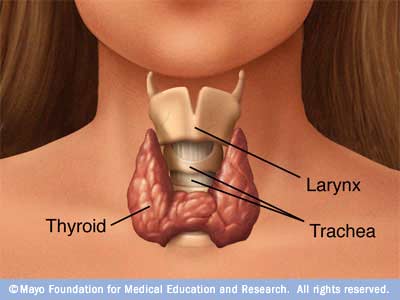
Thyroid gland is located in the middle bottom of the neck. Although small, this produces thyroid hormones which affect every cell, organ and network throughout the body. This hormone will set throbbing body metabolism that will generate energy for the body from oxygen and nutrients and affects the function of the body such as the critical level of energy and tap the heart. Pregnancy is one of the results.

• During pregnancy, thyroid hormone would produce 50 percent more than that of the woman who is not pregnant
• During pregnancy thyroid will raise 10 to 15 percent (normal weight ranges between 15 to 20 grams)
• Hypothyroid probability (lack of hormones tiroid) increased during pregnancy compared to women not pregnant

Goitre, the mother and fetus

In the 10 to 12 the first week of pregnancy, the needs of tiroid hormones tor fetus depends entirely on the mother.

• At the end of the first trimester, fetus thyroid hormone is able to produce for themselves.
• Even though the fetus is still depending on the mother to meet the needs iodine fetus as an important element for making hormones tiroid.
• During pregnancy, the needs of iodine is very important for the establishment and development of the fetus brain.
• During pregnancy the mother must continue to increase the supply of iodine to produce hormones tiroid and ensure adequate iodine is available for the fetus
• During pregnancy, mothers are advised to consume a daily vitamin that contains 150 μg (read: microgram) iodine in the form of potasium iodine (thyroid recommendations from the American Association).

Statisics indicate that not less than 2.2 billion population of the world experiencing iodine deficiency, and this is one of the causes of mental retardation.

Hypothyroid

Hypotiroidisme/hypothyroid is a condition where the thyroid gland does not produce enough hormones and symptoms that arise, among others, fatigue, depression, often forget, is not tolerant of cold, constipation and dry out the skin.

• Handling hypotyroid in pregnant women with the same woman who is not pregnant, such as the consumption of thyroid synthetic hormones, Synthetic levothyroxine (T4) is usually obtained from the dried thyroid gland from animal-gland thyroid
• Due to the nature of the treatment hypothyroid throughout the ages, before the pregnancy, the mother should consult a doctor to get the dose of the right T4
• Mother with T4 therapy is pregnant should increase the dose of general consumption, especially the first trimester on until at least 50 percent.
• Hypothyroid on pregnant women who do not enough medication can lead to miscarriage, premature birth and a decrease in IQ in the fetus.
• Children / babies born with congenital hypothyroid (without thyroid gland on birth) usually will not develop normal, if not identified and handled immediately.
• In the United States, all infants born through the need to review thyroid to see if he has a congenital aberration thyroid so that therapy can be determined earlier to prevent the occurrence of retardasi / decrease in metal children.
• Eight to ten percent of mothers suffering from postpartum suspected thyoriditis that occurred in the first 12 months after the birth which occurred hyperthyroid followed by a hypothyroid 2-3 days later and then gradually to normal.

Hyperthyroidisme

Hyperthyroidisme/hyperthyroid is a condition in which the gland produces too much hormone. Symptoms are caused, among others, trembling, eye irritation, tired muscles, a decrease in body weight that is not controlled, and sleep disturbances of vision problem.

• Hyperthyroid will be difficult to detect in pregnant women because the symptoms and be difficult with the normal pregnancy
• Graves disease is one hyperthyroid type, is a disease estimated autoimun/a kind of allergy. This disease including the genetic disease or a derived/inherited. Clinical symptoms of the disease is grave sweat a lot, like the cold, often pulsatile, both hands often tremble, rapid pulse is a consequence of hyperthyroidisme.
• Mother pregnant with Graves disease will usually be required to reduce the therapy received during pregnancy.
• Handling the missing top hyperthyroid before birth can cause serious complications and the time as "preclampsia".

Examination of Thyroid disease during pregnancy

American thyroid Association recommends inspections at the women with high risk as below before or during pregnancy:

• Mother / woman with a history of disease thyroid / mumps or never perform surgery tiroid
• Mother / woman with a family history had suffered from mumps
• Mother's / women who carry antibody thyroid
• Mother / women with symptoms of clinical hyperthyroid or hypothyroid
• Mother / women with type 1 diabetes
• Mother / female difference with mumps
• Mother / woman with a deviation autoimun
• Mother / woman who is not fertile / infertile
• Mother's / women who have to do radiation therapy on the head or neck
• Mother / woman with a history of miscarriage or premature birth

A simple blood test is the first step in diagnosis. From there, the doctor can suggest what should be the next step. Remember that thyroid disease is very common, and in the experienced paramedics, a disease that causes the excess/lack of hormones thyroid can be easily treated and diagnosed.

Read More..

Tuesday, June 9, 2009

Baby Movement Count

Switch to Bahasa Indonesia

Many pregnant women feel out of the birth of the patient himself forward on the last weeks of third trimester. Even mothers often feel the movement of the baby in the womb. Movements can be perceived start week 18 to 25 pregnancies. For the first pregnancy, the movement is felt when pregnancy enter 25 weeks, and for the second or third pregnancy may at the age of 18 weeks a small movement can be felt.

For several weeks it may be difficult to distinguish between the movement of the baby or not (indirection), but then you will find the pattern of movement. Then the mother will learn to distinguish itself in the womb if the baby is asleep or are moving, when it was most active and triggered the activity.

Given the movement in the womb the baby may indeed help the mother when there is a marked change significantly with the baby. Try to take time each day while the baby is active when engaged in the womb with his kick, tumble or hand movement. This activity will be able to help mothers to identify potential problems that may occur and can help the birth at the right time. Therefore, it is highly recommended for mothers with high risk pregnancy to monitor the movement and the baby starts to 28 days.

Make this event a moment that you wait for

Generally the mother will feel the baby move very active after eating or swallow sweet, drink a cold or after physical activity. Sometimes active period occurred between the hours of 9 pm and 1 am as a result of sugar in the blood are low. Take a moment to calculate the movement of the baby will help you rileks and also strengthens the relationship between emotions and the baby's mother. Some pregnant women prefer to sit, rest and hold the back and stomach. Sometimes mothers are also more comfortable lie to the left that are important to effectively monitor the movement of the baby. Lie to the left also allows the best circulation that will make the baby move more actively.

Calculate the movement

There are many ways the movement of the baby in the womb, and there are a number of opinions of how much the amount of movement your baby at a time. American College of Obstetricians and Gynecologist (ACOG) recommend that the mother of to calculate the time required to do ten baby movement (backlash, friction, and the brunt of all the movement). Ideally the mother will feel 10 movements in two hours or less.

In making a recording, try to write the minutes during the first three movements, each movement mark that you feel movement until ten minutes and record the movement time to reach ten. Notes the movement will help the mother and baby's movement pattern, determine the time for the ten normal baby movements. Important note is that distortions of the normal pattern of movement is felt.

When looking for help / to see a doctor?

• If the mother does not feel the full backlash 10 for up to two hours after the first motion passed, wait a few minutes and do count again. After trying to calculate the second time the mother does not feel 10 movements in 2 hours, you should immediately consult a doctor.
• If the mother finds a significant detour from the pattern of movement for 3 to 4 days.

Example of calculating a movement baby
Week-28
Monday 9:00 xxxxxxxxxx 9:32 Total: 32 mins
Tuesday 12:00 Xxxxxxxxxx 12:45 Total: 45 minutes
Wednesday 9:00 xxxxxxxxxx 10:00 Total: 1 hour
Thursday 9:00 xxxxxxxxxx 11:15 Total: 2 hrs 15 mins
(Example change significantly the pattern of movement. If the mother noted this change, the alert and to immediately consult a doctor).

Read More..

Tuesday, March 24, 2009

Top 10 Ways to Increase Your Chances of Having Twins

Switch to Bahasa Inggris

Many people wonder what it takes to have twins, triplets or more. While having multiples is a gift and a blessing, there are some common factors that increase the chances of conceiving twins.
Think you want to have twins or more? Here's how.

1. Have a History
Do twins run in your family? If you have a mother, brother, sister, uncle or long lost cousin with multiples, you may wonder if you'll have them too. Sometimes twinning is hereditary, it's true. However, only fraternal (dizygotic twins are influenced by heredity, and then only in some cases. If your mother or maternal grandmother was or had fraternal twins, you might have inherited a gene for hyperovulation, increasing your chances of conceiving twins also.

2. Grow or Gain Weight
A recent study published by the American College of Obstetrics and Gynecology correlates the rise in multiple birth rates with rising rates of obesity. Research found that mothers with a BMI (Body Mass Index) of 30 or higer were significantly more likely to have twins. Again, this statistic only holds true for fraternal (dizygotic) twins. The research also showed that women of above-average height were also more likely to have multiples.

3. Grow Up: Wait Until You're Older
Older mothers are more likely to conceive twins than their younger counterparts. It's thought that the body accelerates ovulation as the biological clock starts ticking faster. Seventeen percent of mothers over age 45 have multiples. Wait five more years and the odds rise to one in nine! However, the risks also increase; older mothers have a higher rate of miscarriage and are more likely to experience problems such as gestational diabetes during their pregnancy; in addition, their babies are at higher risk for chromosomal abnormalities.

4. Have More Twins
Once you have had a multiple pregnancy, you are significantly more likely to conceive -- and deliver -- twins again! Some estimates suggest that mothers of twins are four times more likely to have twins again than a woman who has never been pregnant, or who only had a singleton.

5. Diet: Yams & Dairy
No one is quite sure why, but the Yoruba tribe in West Africa has the highest rate of twinning in the world. A study concluded that the mother's diet was the cause, being high in cassava, a type of yam or sweet potato. The peelings of this vegetable are thought to contain a chemical that causes hyperovulation. In addition, a 2006 study found that women who consume dairy are five times as likely to have twins.

6. Seek Fertility Assistance
Reproductive technology has dramatically increased the multiple birth rate. Drugs that stimualate ovulation can lead to a multiple pregnancy, but multiples can also result from invitro fertilization. It's not just that multiple embryos are implanted in the mother, but there is also an unexplained increase in the number of monozygotic twins among IVF patients. No ethical doctor would provide treatment if it wasn't warranted, so fertility assistance should only be sought out when necessary.

7. Have A Big Family
The more kids you have, the more likely you are to conceive twins in a subsequent pregnancy. No one knows the magic limit that triggers a multiple pregnancy, so you'll just have to keep trying until it happens.

8. Conceive While Breastfeeding
Most people think that you can't get pregnant while breastfeeding, that the process of lactating keeps a woman from ovulating. However, plenty of mothers of twins can disprove that theory. Some research has supported the theory that the chance of twins or multiples is increased if a woman conceives while breastfeeding.

9. Get Pregnant On the Pill
Birth control pills are usually thought to be 99.9 percent effective at preventing pregnancy. However, that .01 percent often results in a double whammy -- multiples. Sometimes pregnancy occurs when the pill isn't taken consistently; in other cases, the hormonal mix of a particular drug type simply doesn't provide enough coverage to completely prevent ovulation. In either case, playing around with hormones can lead to hyperovulation, increasing the chances of multiples.

10. Just Get Lucky!
Many parents of multiples don't meet any of the classic criteria, yet find themselves doubly blessed. Monozygotic twins are particularly mysterious; no one is exactly certain what causes an egg to split after conception, producing identical twins. The bottom line is that there truly isn't a whole lot an individual can do to influence their chances of having twins; sometimes you just get lucky!


Pamela Prindle Fierro, About.com

Read More..

Tuesday, January 20, 2009

Surviving Bedrest

Switch to Bahasa Indonesia


Until this point in your pregnancy, you've probably been going about your normal activities of work, chores at home, spending time with family and friends, and exercise. But one day, suddenly or perhaps planned in advance, your doctor tells you that for your health and the health of your baby, you'll be restricted to bed rest.

Even though your friends and family may envy you for what they see as a mini-vacation, don't be fooled - bed rest during pregnancy is no walk in the park. Fortunately, though, there are plenty of ways to make your time in bed more enjoyable and productive, so keep reading and find out how to make the best of bed rest.

There are several situations that might cause your doctor to recommend bed rest for some portion of your pregnancy. If your medical history, including previous pregnancies, contains information that might point to a medical complication, your doctor might recommend bed rest. Or, you might experience symptoms, such as bleeding or contractions, that require you to go on bed rest.

Even if your medical history is clear and you experience no symptoms, your doctor may require bed rest if the results of a test or procedure indicate a medical complication or if your baby's growth is determined to be poor.

So what are some common pregnancy complications that often result in bed rest? A few include: high blood pressure (including pregnancy-induced hypertension, preeclampsia, and eclampsia), vaginal bleeding (including placenta previa), premature labor, and cervical changes (such as incompetent cervix and cervical effacement).

If you're having multiples, your pregnancy may be termed high risk and will require close monitoring by your doctor. If you develop any problems, your doctor might place you on bed rest. Bed rest might also be recommended if you've had previous pregnancies that ended in miscarriage, stillbirth, or a premature birth.

Just as every pregnancy is different, every woman's experience with bed rest is different. Some women may know early on that because of their medical histories, they will have to go on bed rest at some point in their pregnancies. Other women may be surprised to hear their doctors announce, after a routine appointment, that they'll be on bed rest for a few weeks.

Some women are on bed rest early in their pregnancies and then released, whereas others spend their entire pregnancies confined to their beds. Your doctor can give you specific information about the duration of your bed rest.

What Can - and Can't - You Do on Bed Rest?

Sometimes, doctors recommend modified bed rest or "house arrest," which generally allows women to stay on the couch, bed, or in a sitting position, but restricts them from sexual intercourse, exercise, or lifting. Other women may be told to remain in bed, only sitting up for meals or standing to take quick showers. Some women have to remain in bed in the hospital because their pregnancies require closer monitoring by a trained hospital staff.

Whatever kind of bed rest your doctor recommends, if it's long-term, you'll need to remember to exercise your legs to keep the blood circulating and prevent clots. Because every woman who experiences bed rest is different, be sure to get answers to the following questions from your doctor:
• Can I get up to use the bathroom?
• Can I get up to prepare quick meals or to do light chores?
• Can I take a bath or shower?
• What position should I be in while I'm resting?
• Can I go to work or work from home?
• Is driving OK?
• How much walking is safe?
• How much and what kind of sexual activity is OK?
• What activities can I do to increase blood circulation safely?

Tips for Surviving Bed Rest

Fortunately, there are plenty of ways to make your bed rest enjoyable without becoming addicted to daytime TV. Try these tips:
• Stick to a schedule. Even if you have to stay in bed all day, you'll feel better if you take care of yourself. After you wake up, change into comfortable clothes and plan what to do for the day. Having a plan will make you feel as if you're accomplishing something and will give you something to look forward to.
• Catch up while you can. Let's face it, after the baby arrives, you'll be too busy to think about catching up on correspondence or reading your favorite author's latest novel.
• Stock up. Just because you're on your back doesn't mean you have to be unprepared. You can fully stock your baby's nursery and layette by phone or the Internet. Order all the items you think you'll need for the first 3 months - including diapers! In addition to baby stores and centers, online drugstores often carry a wide variety of baby care items that they'll deliver right to your door.
• Don't be afraid to ask visitors for assistance. Your friends and family would probably love to help you with household chores, errands, or meal preparation. Create a task list so that when someone offers help, you can assign him or her a task. Visits from your friends and family can boost your spirits - just make sure you ask them to come at a time that's convenient and comfortable for you.
• Become a parenting expert. Plenty of parenting books and websites can help to answer many of your parenting and children's health questions. If you feel uncomfortable reading about high-risk pregnancy issues, learn about breastfeeding or how to encourage your child's development instead. You could also get subscriptions to local and national parenting magazines and start clipping out useful articles and tips. File your clippings in folders (i.e., new baby care, feeding, crying, sleeping, safety, development, etc.) for future reference when the baby comes. Also file away any articles you print out from the Internet.
• Seek out a support system. The Internet is a great place to find support from other moms on bed rest. Check out bed rest message boards and chat rooms, where you can share tips and get advice.
• Support your support person. You're probably relying heavily on your spouse or partner to tend to household chores, child care, and errands during your bed rest. Make sure you take the time to show your appreciation - you can always order a nice gift by phone or online!
• Let people help. It may be hard to ask for or accept help from friends and family, but you have no choice. Enlist those around you in your cause - whether it's going shopping at the grocery store or picking up shirts at the dry cleaners. Consider setting up a schedule so that your household continues to run.

Read More..